About the Commonwealth of Learning (COL)- Commonwealth Educational Media Centre for Asia (CEMCA)
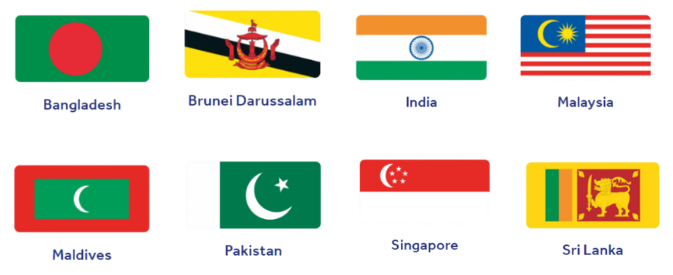
Commonwealth Educational Media Centre for Asia (CEMCA) is an intergovernmental organisation that assists governments and institutions to expand the scale, efficiency, and quality of learning through online, open, distance and technology-enhanced methods by using traditional and modern technologies . Established by Commonwealth of Learning (COL), Canada and the Government of India (GOI), COL-CEMCA works in eight Commonwealth countries in Asia – Bangladesh, Brunei Darussalam, India, Malaysia, Maldives, Pakistan, Singapore, and Sri Lanka.
Latest COL-CEMCA News
What We Do
CEMCA supports formal education from secondary to tertiary levels across Commonwealth Asia in three areas: Higher Education, Open Schooling & Teacher Education.

CEMCA supports formal, non-formal and informal education and training to equip learners for livelihoods through its Skills for Work initiative.
Community media serves as a powerful tool to amplify grassroots voices, foster local engagement, and catalyse social transformation.
COL-CEMCA Works in Eight Commonwealth Countries in Asia
Latest Social Media
In response to the needs expressed by the Commonwealth countries of the Asian region for a more effective use of educational media resources for Distance Education, the Commonwealth of Learning (COL) established the Commonwealth Educational Media Centre.. 6 hours ago 6 hours ago 3 days ago 7 days ago 2 weeks ago
Visual Header disabled due to GDPR setting. Click here for more info.
Cemca Col
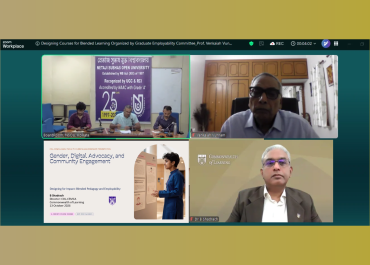
Dr. B. Shadrach, Director, COL-CEMCA, emphasised shifting the focus from a degree-centric model to a competency based one, defining learning outcomes, and scaffolding skills across levels. He urged participants to innovate, diversify assessments, and integrate work-based learning.
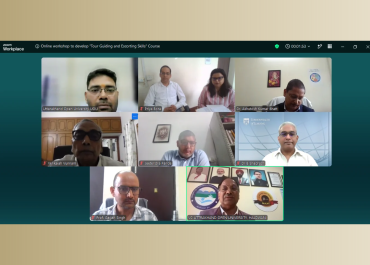
Prof. Rajesh Khambayat, Consultant, COL-CEMCA, and the expert trainer, highlighted that the workshop would enable participants to revise existing curricula or develop new course outlines for implementation in UOU's academic programmes.
Prof. Naveen Chandra Lohani, Vice-Chancellor, UOU, emphasised the focus on designing modular, flexible, and skill-oriented courses aligned with national frameworks like NCrF and NSQF, strengthening UOU's mission of providing quality, employment-focused education through ODL mode.
For more details: cemca.org/news/col-cemca-and-uou-partner-for-result-based-management-framework/
#GraduateEmployability #SkillBasedLearning #COLCEMCA #EmployabilitySkills #ResultBasedManagement #ODLEducation #FutureReadyEducation
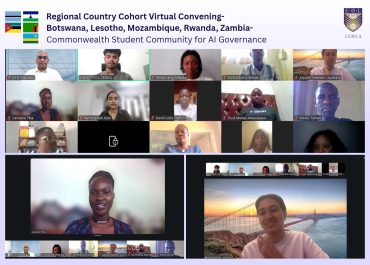
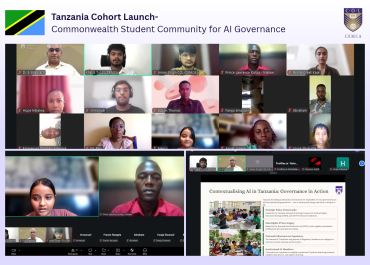
Dr. B. Shadrach, Director, COL-CEMCA, opened the session by welcoming participants and introducing the purpose of the workshop to mobilise the next generation to lead the charge for ethical AI. He emphasised that students are no longer mere users but future architects of AI governance, now gaining a “seat at the world’s most important table."
Dr. Yuko Harayama, Secretary General, GPAI Tokyo Expert Support Center and Ms. Aurélie Simard, Executive Director, INRIA – Center of expertise for the international cooperation on AI affiliated to the GPAI, introduced the Global Partnership on AI (GPAI) and its Network of Centres (NoC), CEIMIA (Canada), Inria, (France) and NICT (Japan), highlighting the student community initiative as a way to place students “at the center” of AI governance, promoting interdisciplinary collaboration across psychology, social science, economics, and engineering.
Ms. Rocio Cervera Crespo, Deputy Director of the North-South Centre of the Council of Europe, highlighted the organisation's work in promoting human rights, democracy, and the rule of law across Europe and beyond. She emphasised the importance of youth participation in AI governance, drawing from the Council of Europe's experience with a co-management system for youth policy.
Ms. Tanvi Thomas, Lead- Tech Policy (International Innovation Corps, U Chicago) highlighted India's demographic advantage and initiatives like the Yuva AI program to empower youth in AI development and adoption.
Mr. Rentaro Iida, (NICT- Japan) together with Ms. Marie-Fleur Simmet and Ms. Chelza Inzouddine (Inria- France), introduced the concept of Innovation Workshops, GPAI’s signature collaborative format that transforms discussions into actionable projects.
The workshop concluded with an orientation on engagement pathways and next steps led by Mr. Khalid T, (COL-CEMCA).
The deliberations and insights generated through this workshop will directly inform the design of upcoming engagements, including the Innovation Workshop, and contribute to the evolving framework for long-term student participation in global AI governance.
#GPAI #AIGovernance #StudentEngagement #YouthInAI #ResponsibleAI #IndiaAIImpactSummit #GlobalSouth #InternationalCooperation
… See MoreSee Less
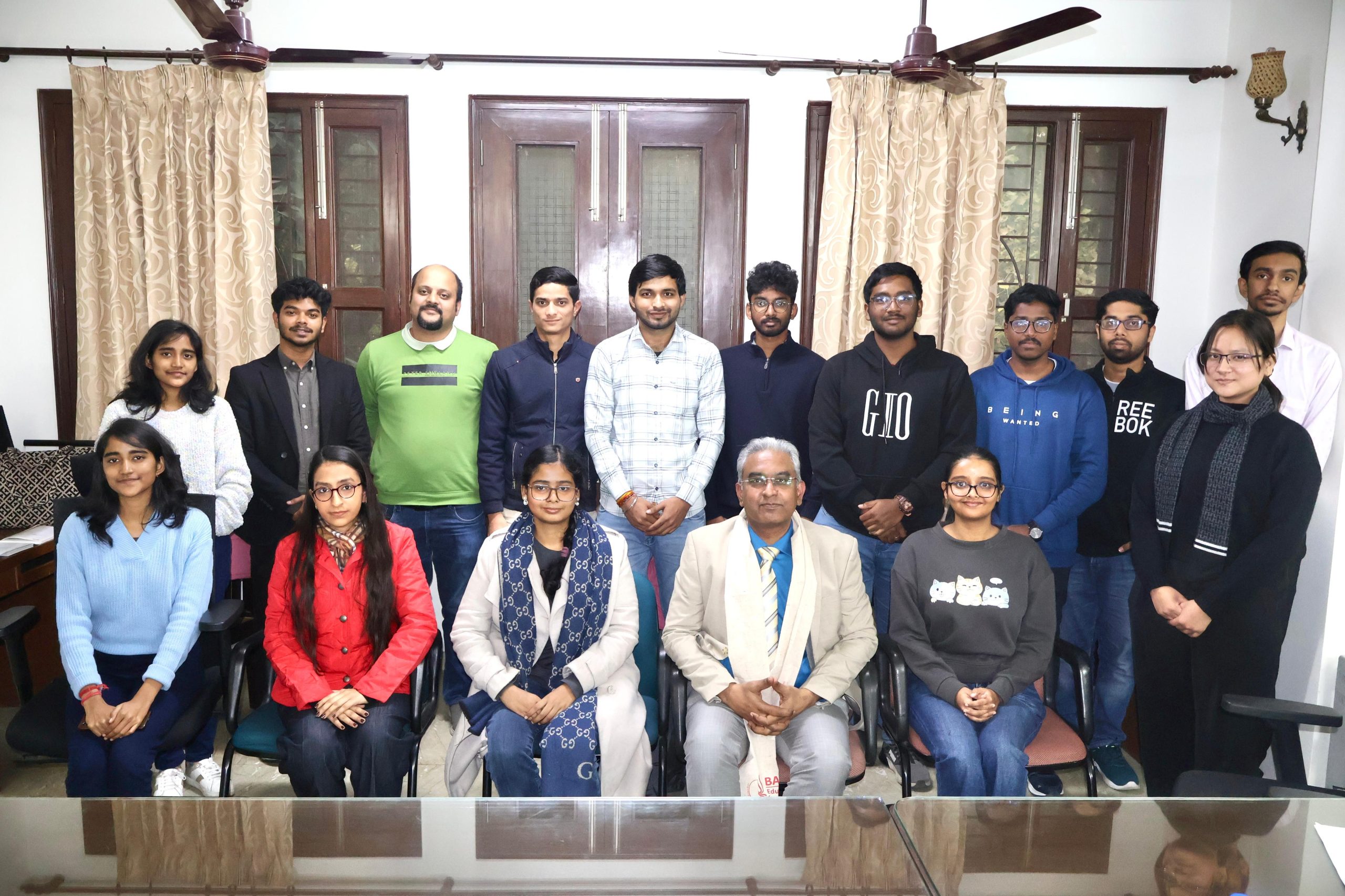
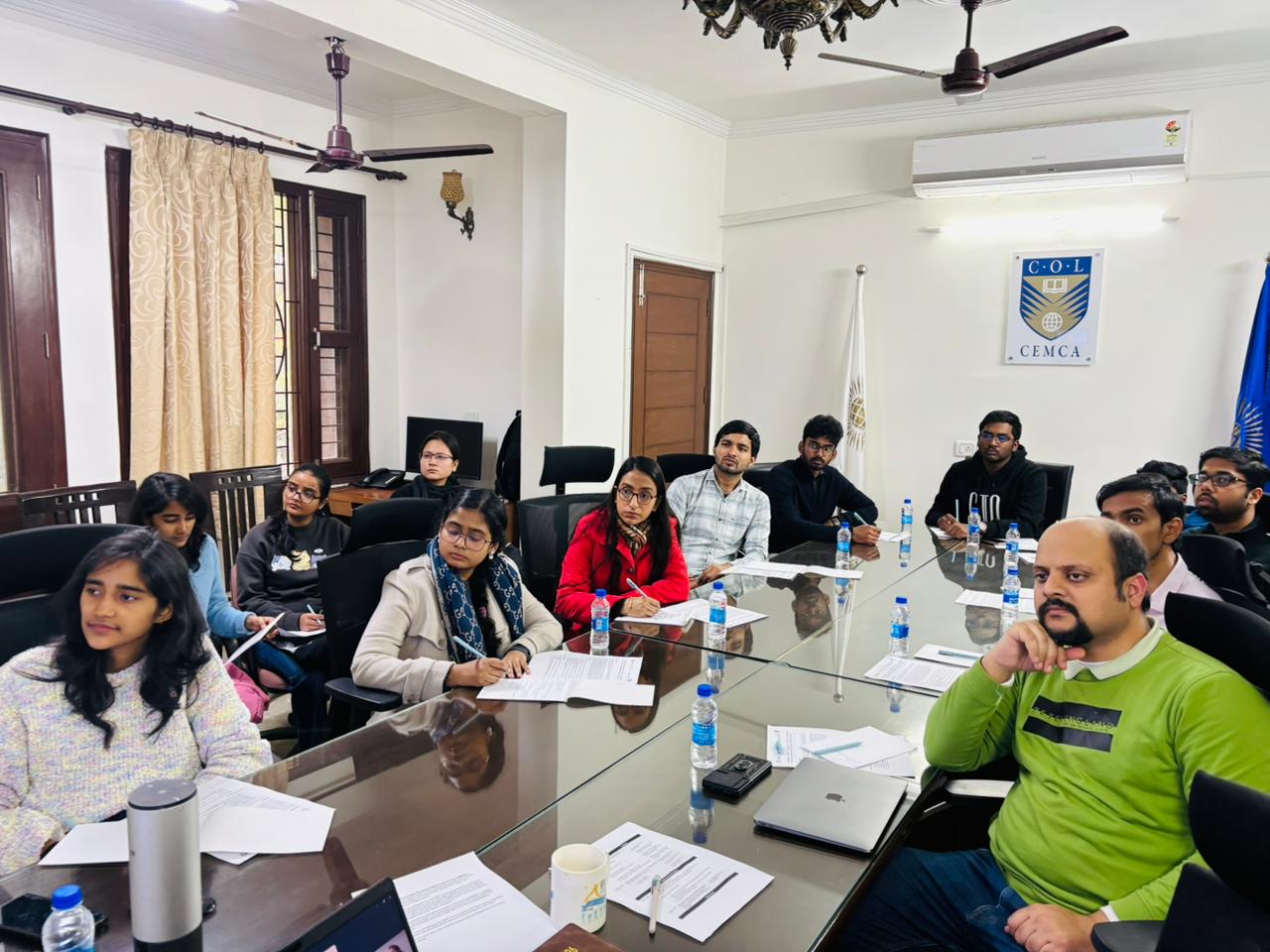
The session is designed to prepare and orient selected students and faculty members from India for meaningful participation in the GPAI-associated India Student Community in the context of the India AI Impact Summit. The session introduces participants to the rationale, structure, and working modalities of GPAI-associated student community initiatives, and situates Indian student engagement within broader global AI governance processes, especially with regards to North-South cooperation.
📅 Date: 3rd February 2026
🕓 Time: 16:00–17:30 IST
📍 Format: Hybrid | CEMCA Office, New Delhi
#GPAI #AIGovernance #StudentEngagement #IndiaAI #GlobalCooperation #CEMCA #Inria #CEIMIA #NICT #YouthAI #AI
… See MoreSee Less
The FDP commenced with Opening Remarks by Prof. Saneem Fatima, Director, UGC-MMTTC, MANUU, followed by the Welcome Address delivered by Prof. M. Vanaja, Dean, School of Education & Training, MANUU.
Delivering the presidential address, Prof. Syed Ainul Hasan, Hon’ble Vice Chancellor, MANUU, stressed the importance of this Faculty Development Program as a crucial step toward equipping educators with the necessary skills and competencies to deliver quality education in the 21st century.
Dr. B. Shadrach, Director, COL-CEMCA, stressed equipping learners with 21st-century skills and competencies. He outlined how technology-enabled learning environments can foster critical thinking, collaboration, communication, and creativity—the essential skills required for success in the modern workforce.
The week-long, 15-hour FDP reflected the shared vision of COL-CEMCA and Maulana Azad National Urdu University (MANUU), Hyderabad in preparing future-ready teachers and classrooms by empowering faculty with digital tools and contemporary pedagogical strategies.
For more details: cemca.org/news/col-cemca-and-manuu-successfully-conducted-five-day-fdp-on-technology-enabled-blen…
#TechnologyEnabledLearning #BlendedLearning #FacultyDevelopment #NEP2020 #FutureReadyTeachers #DigitalEducation #COLCEMCA
… See MoreSee Less
Dr. B. Shadrach, Director, COL-CEMCA, emphasised the importance of micro learning, a practical and blended approach, peer learning, data-driven decision-making, and knowledge stewardship.
Mr. Mrutyunjay Behera, Economic Advisor, Department of Higher Education, Ministry of Education, Government of India, emphasised leveraging existing platforms like Open Universities and Swayam to effectively reach farmers. Dr. Nikhil Raj, Consultant, COL-CEMCA, and Nabeela Ata, Consultant, COL-CEMCA, led the sessions.
Key Outcomes of the Workshop:
✅ Learner centric approach: Farmers should have the choice to learn what they want, rather than being forced into a particular system.
✅ Microlearning and credits: Implementing microlearning courses and awarding credits can encourage learning and skill development.
✅ Incentivisation: Linking credits to subsidies, loans, or other benefits can motivate farmers to participate.
✅ Collective learning: Encouraging collective learning and peer-to-peer learning can enhance outcomes.
✅ Institutional support: Academic institutions and organisations can play a crucial role in standardising and accrediting learning.
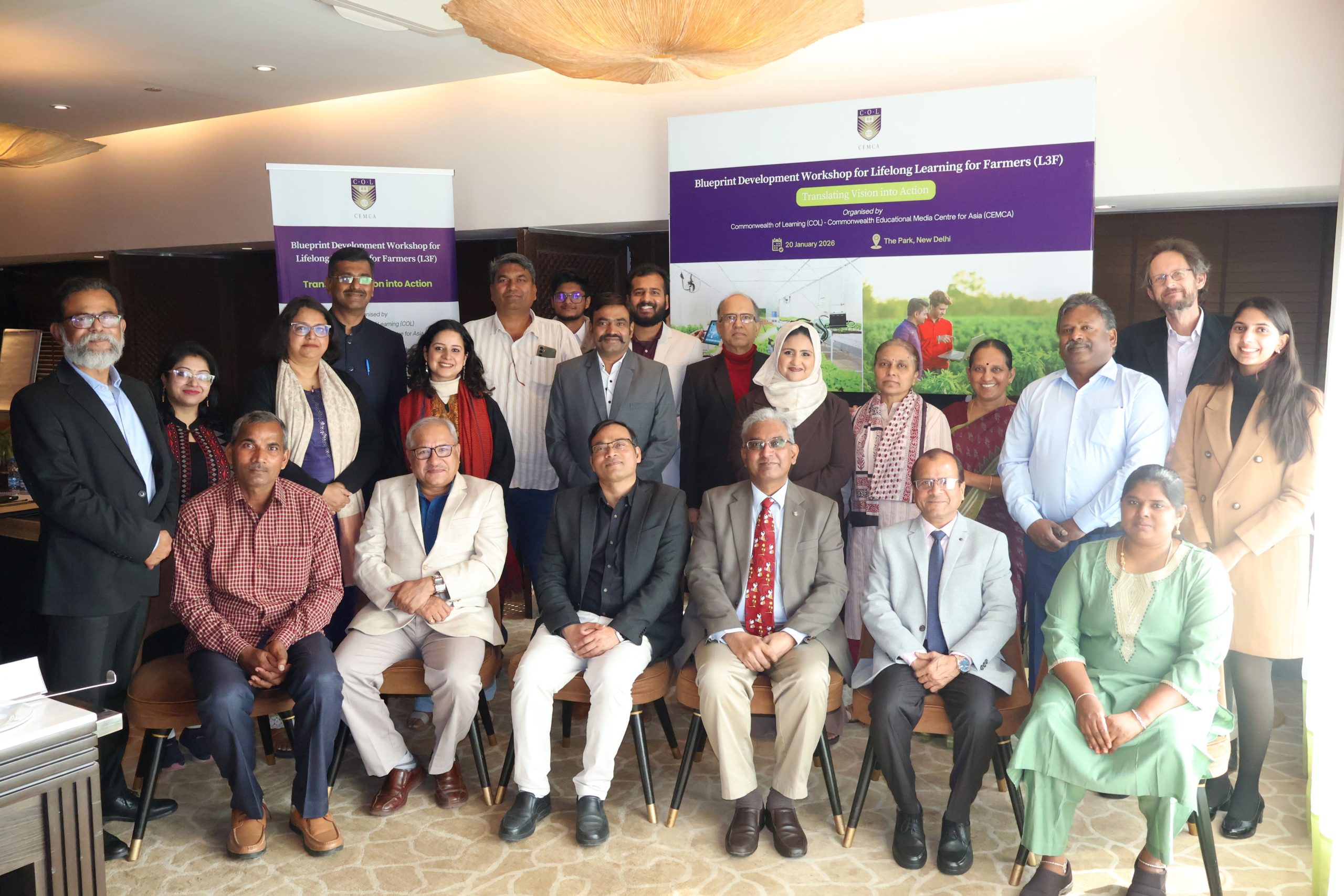
Dr. B Shadrach, called for collaboration among stakeholders and leveraging existing networks such as Krishi Vigyan Kendra (KVK), the Open University, and Open Schooling.
Fore more details: cemca.org/news/empowering-farmers-through-lifelong-learning-a-roadmap-for-l3f-2-0/
… See MoreSee Less
Like Box disabled due to GDPR setting. Click here for more info.
Meet and Greet: Advancing Collaboration for Open and Inclusive Learning in India
During his visit to India, Professor Peter Scott, President and CEO of the Commonwealth of Learning (COL), met with education leaders, government officials, and ambassadors at the India Habitat
Advancing open and distance learning with global leadership from India
Professor Peter Scott, President and CEO of the Commonwealth of Learning (COL), delivered a keynote address at the Indira Gandhi National Open University (IGNOU) in New Delhi, one of the world’s largest and
IGNOU marks a milestone 40th Foundation Day, and opens new horizons in digital learning!
At the celebrations of the 40th Foundation Day of Indira Gandhi National Open University (IGNOU), Professor Peter Scott, President & CEO of COL, joined Vice Chancellor of IGNOU, Prof Uma
COL is excited to announce that the newest issue of Connections is now live. It brings together the full story of PCF11, capturing the energy and key moments that shaped this year’s forum.
From ministerial dialogues to groundbreaking keynote insights, we distill highlights from